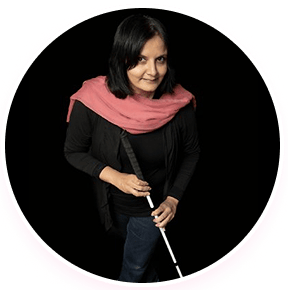
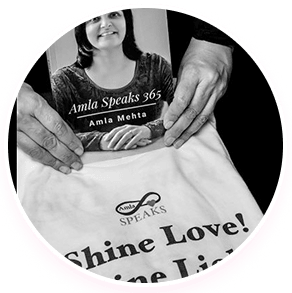
Amla Mehta educates police officers, fire fighters, and EMS responders on how to help and guide people who are blind during any emergency situation with clear communication, safety, and dignity.
Only 2% of the entire blind community uses a white cane or guide dog to personally expand mobility. It is therefore vital for emergency responders to learn practical tactics and tools to proficiently guide individuals who are visually impaired during emergencies.
Emergency responders must master Listen, Understand, Assess to meet the immediate wants and needs of the individual who is blind.
Be observant and present. Stay alert and attuned. Act like an owl, scanning the emergency scenario with wisdom and a bird’s-eye view.
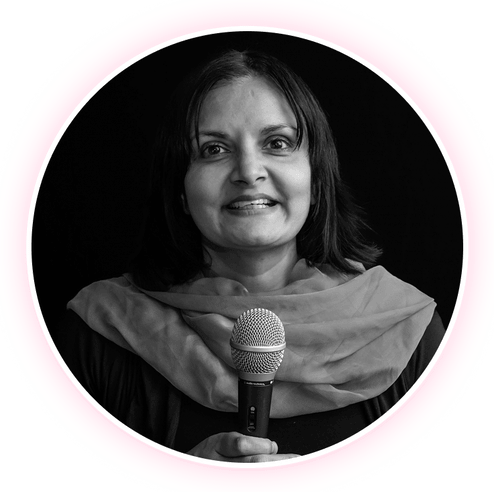
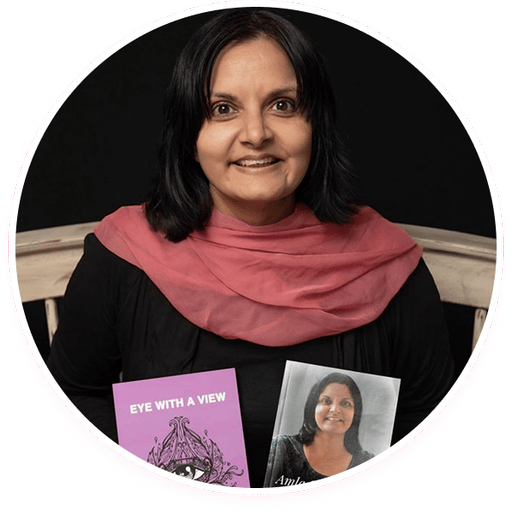
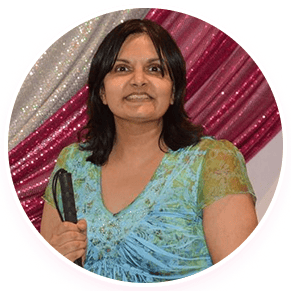
Amla Mehta is a legally blind woman who has experienced gradual vision loss firsthand. Based on her enlightening personal journey, she has developed this Emergency Response Training Manual to enable and educate police officers, firefighters, and EMS responders on how to help and guide people who are blind during any emergency. The ultimate goal: clear communication, sustained safety, and dignity for individuals with low vision.
Clear, practical presentations that help people understand emergency basics, communication needs, and safety habits.
During Emergency Training sessions, Amla Mehta’s purpose is to enable and educate police officers, firefighters, and EMS (Emergency Medical Services) responders on how to help and guide people who are blind during any emergency situation. The ultimate goal for the emergency responders is to exhibit clear communication skills and sustain safety while maintaining dignity and respect for individuals with low vision during emergencies.
Turn off sirens, wear a reflective yellow jacket, use sleigh bell wristbands, and approach with soft, steady tones.
Identify yourself upon arrival. Use clear, concise, play-by-play communication. Avoid pointing — use clock-position or compass directions.
Ask permission before touching. Match the blind person’s pace. Never move their belongings without permission. Never call a cane a “stick.”
Plan, Prepare, Practice, Proactive Participation, and Protection.
Responders take turns as guide and trainee (blindfolded) to experience real-time blindness and develop empathy and guidance skills.
A facilitator-led mobility challenge using roadblocks, props, and sensory distractions to sharpen responders’ blind-guidance skills.
Amla helps you, as a police officer, firefighter and/or EMS worker, help those who endure blind/low vision individuals during any emergency situation.
After all, it’s a team effort that includes working interdependently. In other words, it is imperative for both parties to conscientiously listen to each other’s verbal cues in order to comprehend and evaluate the real-time emergency situation altogether.
As a teacher and speaker, Amla Mehta strongly emphasizes that precision and timing of how to aid the blind, is critical during any emergency; therefore, one must be mindful as an emergency responder and recognize whether you, as an Emergency Responder, are helping or hindering the blind individual.
Develop a deeper understanding of the ongoing challenges of mobility encountered on a daily basis by individuals who are blind by building trust, communication, and safety skills
It is crucial for Emergency Responders to proactively learn the Low Vision person’s unique wants and needs in real time emergencies.
Amla speaks with warmth, clarity, and practical wisdom. Her sessions are designed for real people facing real situations — helping audiences listen better, plan smarter, and respond with greater care.
Designed to strengthen connection, awareness, and responsibility inside communities.
Each presentation can be adapted to the audience, setting, and event goals.
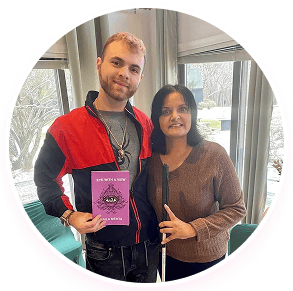
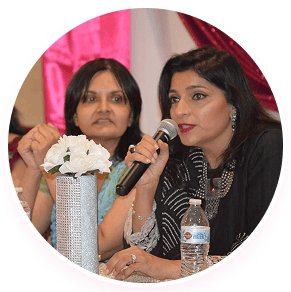
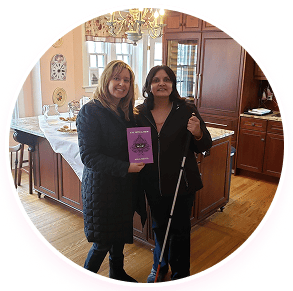
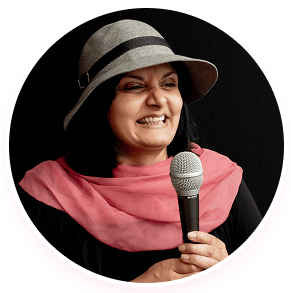
From speaking events and workshops to community gatherings and educational programs, these moments show Amla doing what she does best: connecting with people, sharing practical guidance, and helping audiences feel more prepared.
Share a few details about your event, audience, and goals. Amla will help recommend the best session format for your group.
For speaking requests, training questions, or event planning, reach out and share what you are working on.